Welcome to Coaches Corner. Coaches play an important role in the health of an SG Leader. Coaches are Encouragers, Equippers and Exhorters. Coaches encourage the leader by offering a support system, praying for and standing alongside him/her personally and in group life. Coaches equip the SG Leader by helping with answers to questions, encourage reading of training materials and to attend meetings. Coaches exhort the leader by pointing out critical areas that need attention both personally and in group life, helping them find ways to resolve situations. You are a very important part of Waters Church Small-Groups! This page is designed to help you manage and train your leaders on a on-going basis and provide you with encouragement and tools you need. Below you will find everything needed to be an effect Small-Group Coach!


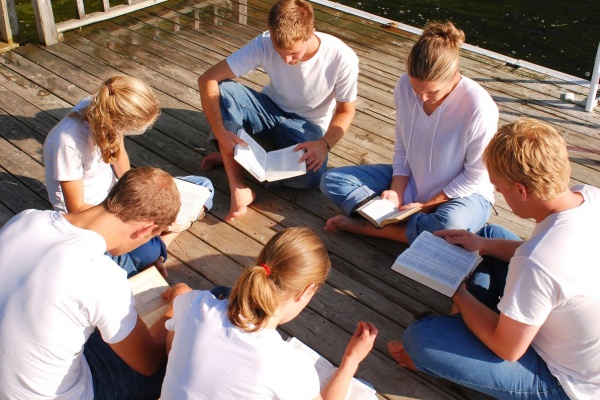
A Coach: A faithful person who has a dynamic relationship with God, who loves the church and the people of God. Not one who acts pious or religious lacking in a genuine spiritual life. One who is humble, committed and eager to continue growing. A joyful person, who tackles challenges of life with joy. Not bitter complainers. An encouraging person, who blesses others, lifts other up. Not critical or cynical or snide. Not one who sees the thorns on the rose without being willing to work toward change. A person who one would seek council from. Someone that a Small Group leader would not be afraid to seek council from even before your scheduled meeting. A coach will invest time in leaders, give them a support structure and ensure they are being encouraged. A coach is a leaders advocate and champion.
Coaches Role - What
1. Coaches Provide On-going Training
Our SGL’s receive an initial formal training from the Director of Small Groups and informal training as an apprentice under their SG Leader. No matter how effective the initial training and the apprentice training may be, though, it cannot sustain a leader for the long haul of ministry. It is only a matter of time before they face something not covered in their initial training. A coaching structure creates opportunities for leaders to develop additional skills for leading well.
2. Coaches Help Leaders Overcome Unforeseen Obstacles
Sometimes life can throw us a curve ball. This is especially true in small-group ministry. People are unpredictable at times. They can pose a question or present a problem that the leader has
not experienced before. As friendships form, members begin sharing more about their personal lives, and a multitude of situations and questions can arise. This is a good thing! It means that the group is developing a solid foundation of trust. A coaching structure helps leaders work through these unforeseen obstacles. An outside eye and ear helps leaders gain a clear perspective of the obstacles. It also opens their eyes to the opportunities for overcoming. This prevents leaders from feeling trapped. It also provides learning opportunities for other SGL’s.
3. Coaches Provide Ongoing Accountability
Accountability empowers leaders and helps them reach toward their God-given potential. It naturally leads to life application. SGL’s gain opportunities to apply the skills they have learned to real situations. Accountability also protects SGL’s. If a leader is ever falsely accused of something within their group’s life, they have a witness to testify in their defense. A coaching structure lays the foundation for much needed accountability.
4. Coaches Help Promote Unity
A small-group ministry team is unique. Leaders gather with their individual small groups, and rarely gather with fellow leaders. Because of this, SGL’s have the tendency to develop tunnel vision. They need to be reminded that life extends beyond their individual small-group gathering. A coaching structure helps create unity among SGL’s by keeping everyone on the same page.
5. Coaches Provide Support and Affirmation
SG Leadership is one of the most rewarding ministries on the planet. We get to be on the front lines of life change! At the same time, our ministry can be challenging. For this reason, SGL’s need to know that someone has their back. They need to know that they have someone they can call when they feel stuck. This empowers them to make solid decisions. SGL’s also need affirmation. They need to know that they are making a difference in peoples’ lives. When leaders lose sight of life change, leadership loses its meaning. It will simply become a lifeless routine. Affirmation is the fuel that keeps leaders going.
6. Coaches Create a Current of Growth
Coaching empowers leaders. It moves them to take ownership of their ministry position. Their eyes are opened to the responsibilities and opportunities that lie before them. Coaching transforms thought into action. Leaders are not only empowered to lead their groups well, they are also inspired to invest in others as they’ve been invested in. They may even become a coach someday.
7. Coaches Produce Healthy Leaders
A small group can only be as healthy as the person leading it. So, it’s important to provide for the spiritual health of SGL’s. This helps leaders understand that they are cared for. Jesus commands us in John 15:12 to love each other as he has loved us. SGL’s are more than warm bodies who fill a position—they are people who matter to you and to God! A coaching structure will produce the healthy leaders your small-group ministry needs to sustain future growth.
Encourage-Equip-Exhort - How
The primary focus of the Small Group Coach is to build a relationship with the Small Group Leader in order to love, nurture, develop and encourage them in their walk with the Lord; enabling the leader to more effectively lead, shepherd and disciple their Small Group.
QUALIFICATIONS
- Model a growing, vibrant walk with Jesus Christ.
- Have been a Small Group Leader at Waters Church.
- Have a passion and/or gift for shepherding leaders.
- Be submissive to and supportive of Waters Church leaders.
RESPONSIBILITIES
The Coach will serve as an:
EXAMPLE
- Maintaining a vibrant walk with Jesus Christ.
- Praying for and with your SGL.
- Attending training opportunities endorsed by Waters Church.
- Maintaining a teachable spirit and implement the training you receive.
- Multiplying your coaching ministry through the development of an apprentice.
- Attending at least one Waters Church corporate prayer gatherings that takes place on First Wednesday, pre-service Saturday or after services on Sunday.
ENCOURAGER
The Coach encourages SGL’s by:
- Regularly contacting SGL to build friendships.
- Regularly checking in and reporting about the Small Group.
- Understanding the uniqueness of the SGL’s Group.
- Providing support through personal and/or group difficulty.
EXHORTER
This will be done by:
- Upholding the values of the SG ministry (community, apprenticeship, discipleship etc.…).
- Challenging the SGL to make tough leadership decisions necessary for larger group health.
- Providing correction gently when detrimental thinking or behavior is observed in the SGL.
- Investigating with the SGL to ascertain actual life-transformation in group.
EQUIPPER
This will be done by the following:
- Providing SGL’s with the skills and knowledge needed to identify and mentor an apprentice.
- Providing SGL’s with the skills and training necessary to effectively lead their group. This may mean encouraging them to attend our regular SGL quarterly meetings, supplying them with reading material, tools and resources or even encouraging them to attend a conference endorsed by Waters Church.
- Relaying any information to SGL’s who may have missed a meeting.
- Preparing SGL’s to face and speak into challenges affecting the larger church (campaigns, staff changes etc.).
- Encouraging SGL’s to attend at least one of the Waters Church corporate prayer gatherings that take place at 3:20 on Saturday evenings or after Sunday’s services have concluded and prior to First Wednesday service.
- Encouraging SGL’s to come to the altar at the end of service when possible to pray for others.
You may notice we emphasize your involvement in the regular prayer times of our church to be a SGL Coach. That is because we firmly believe to lead others you must be saturated in time with the Father in prayer. We pray together at those times for the people God adds to our church every week before and after the weekend and every First Wednesday. We do this because of the pattern of the Early Church set forth in Scripture, “they devoted themselves to the apostles’ teaching and fellowship, to the breaking of bread and the prayers”. Acts 2:42 ESV
7 Benefits of Coaching - Why
- Coaches Provide On-going Training
Our SGL’s receive an initial formal training from the Director of Small Groups and informal training as an apprentice under their SG Leader. No matter how effective the initial training and the apprentice training may be, though, it cannot sustain a leader for the long haul of ministry. It is only a matter of time before they face something not covered in their initial training. A coaching structure creates opportunities for leaders to develop additional skills for leading well.
- Coaches Help Leaders Overcome Unforeseen Obstacles
Sometimes life can throw us a curve ball. This is especially true in small-group ministry. People are unpredictable at times. They can pose a question or present a problem that the leader has
not experienced before. As friendships form, members begin sharing more about their personal lives, and a multitude of situations and questions can arise. This is a good thing! It means that the group is developing a solid foundation of trust. A coaching structure helps leaders work through these unforeseen obstacles. An outside eye and ear helps leaders gain a clear perspective of the obstacles. It also opens their eyes to the opportunities for overcoming. This prevents leaders from feeling trapped. It also provides learning opportunities for other SGL’s.
- Coaches Provide Ongoing Accountability
Accountability empowers leaders and helps them reach toward their God-given potential. It naturally leads to life application. SGL’s gain opportunities to apply the skills they have learned to real situations. Accountability also protects SGL’s. If a leader is ever falsely accused of something within their group’s life, they have a witness to testify in their defense. A coaching structure lays the foundation for much needed accountability.
- Coaches Help Promote Unity
A small-group ministry team is unique. Leaders gather with their individual small groups, and rarely gather with fellow leaders. Because of this, SGL’s have the tendency to develop tunnel vision. They need to be reminded that life extends beyond their individual small-group gathering. A coaching structure helps create unity among SGL’s by keeping everyone on the same page.
- Coaches Provide Support and Affirmation
SG Leadership is one of the most rewarding ministries on the planet. We get to be on the front lines of life change! At the same time, our ministry can be challenging. For this reason, SGL’s need to know that someone has their back. They need to know that they have someone they can call when they feel stuck. This empowers them to make solid decisions. SGL’s also need affirmation. They need to know that they are making a difference in peoples’ lives. When leaders lose sight of life change, leadership loses its meaning. It will simply become a lifeless routine. Affirmation is the fuel that keeps leaders going.
- Coaches Create a Current of Growth
Coaching empowers leaders. It moves them to take ownership of their ministry position. Their eyes are opened to the responsibilities and opportunities that lie before them. Coaching transforms thought into action. Leaders are not only empowered to lead their groups well, they are also inspired to invest in others as they’ve been invested in. They may even become a coach someday.
- Coaches Produce Healthy Leaders
A small group can only be as healthy as the person leading it. So, it’s important to provide for the spiritual health of SGL’s. This helps leaders understand that they are cared for. Jesus commands us in John 15:12 to love each other as he has loved us. SGL’s are more than warm bodies who fill a position—they are people who matter to you and to God! A coaching structure will produce the healthy leaders your small-group ministry needs to sustain future growth.
Coach Meeting Notes
Coach Meeting
August 27, 2018
Attended: Mary Ann Parsons, Cheryl Hatch, Michael & Lauren McGary, Thad & Rondi Butler, Loretta Alamo, Jim & Neldys Shekleton, Scott & Deb Bruzzi, Ana & Steve Lee, Carl Webber, Laurie Engasser, Marcy & Felix Shyllon, Shawn & Craig Strok, Lauren Akquilian, Joanna Walker, Ron & Ann Letourneau. Unable to attend: Chris Macewen, John Walker, Brenda Fields.
Mary Ann (“Map”) welcomed the coaches and introduced the new coaches: Marcy & Felix Shyllon, Thad & Rondi Butler, Loretta Alamo and reminded everyone that Deb & Scott Bruzzi are back as coaches. Map went on to explain there has been a huge influx of women leaders which necessitated the addition of some female coaches as women lead women and men lead men. Rondi became a coach a few months ago and had a large group of women some of whom are now going to Loretta. Thad joined her as coach and as more couples become leaders, Thad and Rondi will coach together.
Map gave us some new statistical data: There are now 16 Coach Teams; 25 Coaches; 121 Leaders; 85 Groups with 570 people in small group. There are about 1300 weekend attendees which puts 44% of people in the church in a Small Group.
Map reinforced what a Coaches role is; she directed us to the small group leader hub: http://sgl.waterschurch.org/coach-tools/ where we reviewed what a coach is and what our role is with our Small Group Leaders. The Hub is an invaluable resource; she is constantly updating the material and we should check in regularly and encourage our leaders to use these resources. Part of our job is administrative but mostly we need to have a relationship with our leaders; know their children’s name, know their birthdays etc.
Map asked us for any wins:
- Scott Bruzzi shared a great story from their apprentices Tracy & Eric Laberge. Tracy works at Rhode Island Hospital and it has basically become her mission field. This past Saturday she baptized a woman who is a co-worker and has been coming to Waters for a short time; amazingly 7 co-workers came to see her baptism and were there to hear the Word of God. Map noted that Small Group leaders as well as legitimate apprentices can baptize people.
- Jim Shekleton talked about how more people are interested in getting involved in small group. The Hardy’s just finished apprenticing Denette & Mike Lauer and Dave & Cheryl Salto who will now be leading groups. Map explained that Shaun & Priscilla Hardy are “travelling small group leaders” who will lead in a potential Small Group Leader’s home or a host home and apprentice new leaders. Jim also mentioned a conversation that he had with Brandon Braddock who was working an event with Jim in Woonsocket last week and Brandon met a few people who watch service on TV and one person asked him about how they could join a small group.
- Map talked about the Travelling Small Group Leaders Shawn & Priscilla Hardy who are willing to go anywhere to lead a group and Lynda Rose is also travelling to Milford to lead a women’s group there. Craig Strok mentioned that even though the Milford campus closed there is definitely fruit from that church plant. Both the Salto’s and the Lauer’s originate from the Milford campus.
Map spoke about apprenticing and she is compiling a list of groups that have never produced an apprentice. She said at some point some groups just become a “friends group” and there is no longer growth and there is no point any longer. Jim & Neldys shared their story; a few years back they were in a great group of great friends but they realized that this was no longer a productive small group and they needed to move on so they started their own group and the other members also started groups.
Map said that the leaders must have a way to reach us; give them our telephone number if possible but their group members should not be able to reach out to you directly; that is why there is a hierarchy in place. A member should go their leader or directly to the church if necessary. Jim mentioned because of his position in Woonsocket he has a google voice number that he gives out; not his personal cell number. Map asked that we assist our leaders as much as possible with Planning Center and the SGL hub; help them maneuver through. It is trickier on your cell phone but with practice you will find it easier. Michael McGary is a great resource for any questions.
Map reiterated that we must pray for our leaders daily; be specific in our prayer; be present in their lives and we are there to advocate for them. She said it is important to meet with our leaders’ one on one and in group settings. Everyone needs a go to person that they can go to with their issues; coaches also need that; if you don’t have a go to person – get one! Map said that when she has an issue she goes to Cheryl and Cheryl said she goes to Map. We want to avoid a disconnect with our leaders. Map shared an issue that came up recently:
Now, when new groups form they are either men leading men; women leading women or a man/woman leading both men and women. When we started many of the groups were mixed but led by a man or a woman; some existing groups still are. This woman was getting married and she met with Mary Ann and her fiancé came as well; she talked with them and thought that they might co-lead the group but he said he was not interested in doing that. Map had heard that she was not following the guide and was introducing other teaching into the group. The leader assured her that this was not the case. She went back to leading the group and Map subsequently found out that she was adding other teaching and she was introducing teaching from another church she was attending; the leader was attending two churches the group has been taken down and the members have been contacted to get into other groups. Map reminded the group that we are facilitators not teachers. Our teacher is our Pastor and we facilitate the group with the guide. You can do other things with your groups from time to time or perhaps not get the entire guide done if you get caught up in a point but we should not dive to deep past what the teaching was.
Another group leader was having issues with alcohol and the group was not doing the message. This was a new group and the members did not really know what to expect from group. Sadly no one spoke up in the group. Cheryl and Map will be working on a video or something for new group members which will outline what to expect from their small group. This group had no idea what to expect so they thought it what was going on was normal.
Map suggested we visit our groups if possible but do not give them much notice. She calls maybe 20 minutes before the group is scheduled to meet and asks them if she can drop in and visit. It is good to call just in case they are not meeting that evening. This is a great way for you to assist the leader with identifying an apprentice and making sure they are doing what they are supposed to. Sometimes visitors come to the group who are not saved; Cheryl shared the story of Arun who would come with his wife to Rodrigo & Anna Banks small group. His wife was Christian but Arun was Hindu. Anna took the time to research his religion and talked to him about it; soon he was interested in Christianity; he is now saved.
Small Group Leader Meeting September 11th
Map has been reading the questionnaire’s that she asked leaders and coaches to complete and she was surprised to see that most groups do not do communion during group. At the next SGL meeting all of the leaders will be getting a “Communion kit”; it contains a package of oyster crackers, a can of grape juice, 12 communion cups and an instruction sheet produced by Michael McGary. Pastor Tim will go over this at the meeting and we should start doing communion in group. We only do it as a church body maybe once a month so it is important for groups to do it as well. Your apprentice can do the communion as well; this will help empower your apprentice as well because they will be doing something a leader does. Cheryl spoke about only using grape juice while doing communion – not wine. We do not want to make anyone stumble so alcohol should never be served at group. If you are having a separate event (coach get together etc.) you can do what you want but not in Small Group. Rob Kenerson is starting a new group that will be meeting at Barrett’s Alehouse; Map said that the leader must set the tone; difficult having a group in a bar but the leader should order water or a soft drink and the group should follow suit.
There will also be a Question and Answer game on Ethics. She suggested that all the leaders study up on the SGL Ethics Contract; she will have a fun game with buzzers at the table and prizes for the winners. Coaches are not eligible to answer the questions but they can be part of the team at the table. The Ethics contract can be found in the SGL hub: http://sgl.waterschurch.org/training/ethics-contract/.
15 Wishes
10 wishes are now complete; you can donate to 15 wishes there is still a need to fund the remainder of the wishes. Recently the Ripley family was filmed getting their week a beach front cottage on the Cape; the mom had to be told to make it happen logistically but the kids did not know until they got there. They also completed the furniture delivery from Cardi’s to Brianna Chandler. There will be a video out soon covering some of these plus they will do a big collage video on all of them when they are complete.
Planning Center
Map and Michael McGary reviewed Planning Center and Small Group Management in the Hub. She reminded the coaches that no group should exceed 12 members and they should be preset to auto close at 10 and to create an alert if the group exceeds 12. She feels auto close should be 10 in case a couple wants to join your group you could have both; this would avoid an awkward issue of only being able to have ½ a couple in your group. Leaders can take attendance if they wish; it is a good tool to have if people are not regularly attending group you would have good records to back up your discussion with them. She also instructed Coaches to not change the format of the meeting schedule it should read: Wed at 6:00p in North Attleboro (3 letter format for day of week; time and town). Also, the picture cannot be change; we need all the pictures with the same backdrop for uniformity.
Michael told the coaches that if your leaders serve and they are already in Planning Center for Serving they can toggle over to their group and manage their group from there. It is the same user name (your email address) and password for both.
Next Meeting: T/B/D
Coaching Life-Changing Small Group Leaders | Vision for Coaching
I. THE VISION FOR COACHING
What is coaching? It is essential to have people in the church who are willing to guide and encourage leaders. To become effective coaches, first we need to embrace a vision for the practice of coaching. A coach is not a ‘boss’ or a ‘fault finder’. Coaching is personal, developmental, and supportive and it brings out the best in leaders.
1. A Call to Coaching.
God does not usually call people to easy jobs. This job of coaching is not underwhelming to say the least. You may appear to be an unlikely coach, in reality you are exactly what a coach should be. You may be placed out of your comfort zone at times but this will develop you as a leader. There are some great names at the top of this list like Abraham, Moses, Esther and Paul who never felt up to the task. None of us are adequate. Paul often felt unqualified: 1 Corinthians 9:16; 2 Corinthians 3:4-6; 4:7-12 and 12:7.
Few have known the joy and struggle of ministry in a difficult world more than Paul. These passages remind us that it was Christ working in him. We take confidence, therefore, that Christ will work in us as well.
2. The Need for Coaching.
It takes a coach – shepherd-leader to build into the lives of small-group leaders. The power of the Holy Spirit is released when someone speaks life and hope and truth into the life of another person. It is important that each leader is known by someone, not by a crowd or committee, buy by a person, close friend, an intimate companion. And not merely held accountable, but genuinely known in an intimate, vulnerable, painfully real, long-term relationship. Leaders need a shepherd-coach to speak into their lives, to know them, love them and support them. When this happens, the Holy Spirit seems to stir and awaken the leader. A leader feels cared for and understood, motivated to speak truth and life into those in his or her group. Suddenly, ordinary people have become extraordinary instruments in the hands of God.
The bible is full of stories that describe when a coach or mentor speaks into the lives of ordinary people, investing in those who show leadership potential – Moses with Joshua, Jesus with Peter, Priscilla and Aquila with Apollos and Paul with Timothy.
Even the best leaders need a coach! Coaches have a heart for leaders who need encouragement, support, prayer and a reminder of how important their ministry is to the kingdom. So be encouraged! God has called you to participate in this adventure of supporting and developing leaders for his community!
Coaching Life-Changing Small Group Leaders | The Essence of Coaching
II. THE ESSENCE OF COACHING.
What does it take to be an effective coach? What is the very core of the coaching enterprise? Certain core values and essential characteristics define this ministry. These must be embraced, developed and nurtured over time.
- Embrace a Vision for Transformation.
Paul, one of the supreme models for coaching in the Bible, yearned to see his “children’ grow in Christ. It was a driving passion in his life that moved him deeply (Galatians 4:19). Coaches should also have that passion – to see people grow into the image of Christ.
- Believe people can change: You must look past people’s inadequacies, failures, quirks, and inexperience to see what they can become by the grace of God.
- Trust the work of the Holy Spirit: You are not the agent of spiritual growth in a person; that is the job of the Holy Spirit at work in you and in your leaders. A coach’s responsibility is to inspire, pray, encourage, and challenge, but God causes the growth. These scriptures from 1 Corinthians remind us that the Spirit of God is doing his work in us: 1 Corinthians 2:4-5; 2:10,12; 3:6-7.
- Remember that God will use you: Here are some ways God is using you – Modeling (what you do and how you do it is an example to leaders 1 Cor. 11:1), Words (what you say can build up or tear down James 3; Proverbs 25:11) and Prayer (He acts and moves as we pray according to his will Joshua 10:13, 1 Kings 17:1; 18:41-44) and Listening (listening to your leaders with empathy and intention will show them you care about them as people, not just names on the organizational chart in our church James 1:19).
2. Nurture Your Love of Community.
3. Cultivate a Passion for Developing Leaders.
4. Develop the Heart of a Shepherd.
Small Group Network Podcasts
Top 5 Things Not To Do When Coaching Your Small Group Leaders
https://blog.smallgroupnetwork.com/top-5-things-not-to-do-when-coaching-small-group-leaders/
Small-Group Visit Check-list Sample Template
|
GROUP |
COACH |
DATE TO VISIT |
CHECK IF VISITED |
OBSERVATION (overall – atmosphere, is it welcoming, was the guide used, was there a conversation, who was there, all necessary people listed/not listed in PCO? etc.) |
TAKE-AWAY (what things did you think were useful/not useful, do they have potential apprentice(s) and are they aware of them etc). |
FOLLOW-UP ITEMS(what conversation do you need to have with the leader, pointing out what is good and what may need improvement, any suggestions etc.) |
ACTION ITEMS |
|
John Lane |
N/A |
3/14/18 |
TRUE |
Nice group. 8 of us present including John. Some were not there, but it went well. He does not use the guide, he uses his own thoughts/notes. Everyone had a chance to talk. We prayed at beginning for the group and those not there and at the end for prayer requests. | Take-away: Very conversational, flowed well. John even combined First Wed message w/Sunday’s and put them together in away that worked well. His home is inviting, candles burning, cozy and comfortable. One really good idea is that he Skyped in a member who lives far and cannot be physically present. Excellent idea! | John has two potential apprentices and his PCO name list needs updating. Since John does not use the guide, he needs to show the apprentices the guide and how to use it so they are not intimidated by what he does. | John is going to add/remove members accordingly and he is going to approach Pam and John about apprenticing. He will use the guide to show them that is how it is done. We decided that though the way he presents and facilitates the message is great, that they might be intimidated since he is more experienced than most. Also, it will keep them on track. |
Why Small Group Coaching Fails
Almost every small group pastor or director will agree coaching small group leaders is important. Yet, many of those pastors would also admit they don’t know how to adequately coach their small group leaders. Having tried and failed at various coaching structures many times myself, I have found three key issues in unsuccessful (and eventually successful) coaching.
Unclear Expectations
Many coaching structures fail simply because no one knows what a coach is supposed to do. Is the coach an administrator or record keeper? Is the coach a trainer? Is the coach a figurehead so we can say we have a coaching structure? What do we expect our coaches to do?
If we need coaches to train leaders, then why are small group pastors still running centralized training meetings? Do we really need coaches to collect rosters and reports? Don’t we live in the 21st century? After all, churchteams.com will solve all of these administrative issues. (In an effort for full disclosure, I believe ChurchTeams is the best small groups’ database on the planet. Boyd Pelley did not pay me to say that. He did buy me an ice cream once.)
What do we need coaches to do? We need coaches to do the things we can’t do ourselves. If we had, say, five small groups, then what would we do with those leaders? We’d call them on a regular basis. We’d get together for a cup of coffee. We would personally encourage them, answer their questions, and pray for them. We would invest in the relationship. What if our coaches started there? Coaching is based on relationship. If there’s no relationship, not much coaching will take place.
Unreasonable Requirements
A friend of mind called me a while back. He was frustrated because many of his coaches were quitting. I asked him what he was asking them to do. He wanted his volunteer coaches to hold a monthly training meeting with their leaders on the church campus. Then, I asked him if he’d ever driven in his city?
This was a major metropolitan area. So, think of requiring volunteer small group coaches to hold monthly training meetings in the middle of one of the 10 largest cities in the U.S. It wasn’t working, and his coaches were quitting.
Face to face meetings are great. If you can pull them off with all of your leaders together, that’s really great. But, most people can’t. Fortunately, there are some alternatives.
Why not meet “together” with small group leaders on freeconference.com or Skype? Every day I coach small group pastors across the country over the phone or by teleconference. I’ve met few of them in person, but we connect on a weekly basis. We have a relationship, and they have seen success in growing their groups. This works with leaders locally too.
Facetime is necessary (the real, in-person version). Again, coaching is built on a relationship. But, maybe the face to face meetings are with one or two group leaders and not all of them. We can use other means to connect at other times. Don’t get me wrong. I am not advocating a simple “Like” on Facebook or a bulk email to all of the leaders at once. The connection must be personal to grow the relationship.
Lack of Accountability
None of us likes to make people uncomfortable. Some of us avoid this discomfort to the point of not asking our coaches if they’re coaching. Then, we discover not much coaching is taking place. We shouldn’t be surprised.
Only what we supervise gets done. Now, we don’t have to come down on our coaches like a ton of bricks, but we do need to ask. Rather than asking, “Have you contacted your leaders?” we should assume the good, qualified people we recruited to coach are actually coaching. The question could go like this, “What are you learning from your leaders?” They won’t get defensive.
They might respond, “Well, I haven’t contacted any of them lately.” That’s okay. Give them a deadline, “I understand you’re busy, but connect with your leaders in the next two weeks, then I’ll check-in with you again.” Presuming the best about our coaches both honors and motivates them. Giving them accountability helps them keep their commitment to coaching and eliminates the guilt of not fulfilling their commitment.
Effective Coaching
Effective, motivated coaches need direction that is clear, reasonable, and accountable. How do I know? A good coach taught me that…as he was resigning. Do your coaches know your expectations? Do you know your expectations? Are your requirements reasonable? And, if it’s truly important, are you holding them accountable? These three simple words will transform your coaching structure.
by | Feb 25, 2020 | Coaching Groups |